Buying or selling a home with a pool in Naples: what to check
By Nadia Nathan · Updated 2026-07-19

A pool adds real value to a Naples home, and it also adds a specific set of things both buyers and sellers should check that a house without one doesn’t require. Here’s what actually matters on each side of the transaction.
For buyers: what to verify before closing
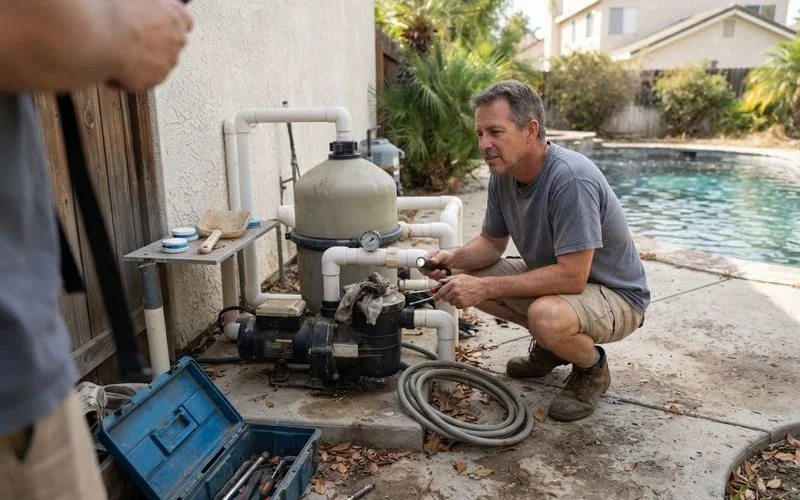
Start with the equipment. Ask for the age of the pump, heater, and filter, since these have a working lifespan and replacing them soon after moving in changes your real cost of ownership. Ask when the pool was last resurfaced, since plaster and other finishes wear over years and a surface nearing the end of its life is a near-term expense to plan for, not a maintenance item that can wait indefinitely.
Permit history is worth checking directly with the county rather than taking a seller’s word for it, particularly if the pool or any visible additions (a spa, a screen enclosure, an equipment upgrade) look recent. An unpermitted addition can complicate financing or insurance approval, and becomes your problem to resolve once you own the property.
Finally, check the safety barrier for current compliance, not just whether one exists. A fence that’s present but has a broken latch, gaps, or doesn’t meet current height requirements isn’t actually doing its job, and you’ll want to know that before, not after, moving in with young children or grandchildren who visit.
| Buyer check | Why it matters |
|---|---|
| Equipment age (pump, heater, filter) | Near-term replacement cost if aging out |
| Last resurfacing date | Surface condition and remaining lifespan |
| Permit history | Financing, insurance, and legal exposure |
| Current barrier compliance | Real safety, not just presence of a fence |
For sellers: what to address before listing
If you know your pool has an issue, aging equipment, a surface overdue for resurfacing, a permit gap, addressing or at least clearly disclosing it before listing tends to go more smoothly than having it surface during the buyer’s inspection, when it can become a late, tense negotiating point. A pool that’s clearly been maintained, with service records if you have them, gives buyers real confidence and can support your asking price rather than becoming a discount point.
If your barrier hasn’t been checked in a while, this is a good time to confirm it’s still compliant. An issue found by a buyer’s inspector reads very differently than one you’ve already identified and fixed. Gathering your service records, permit paperwork, and equipment receipts into one folder before listing also saves time later, since buyers and their agents will likely ask for exactly this during due diligence, and having it ready signals a well-maintained property before anyone’s even walked the deck.
Negotiating around what you find
If a buyer’s inspection turns up an aging pump, an overdue resurfacing, or a barrier gap, that doesn’t have to kill the deal, it’s negotiating material like any other repair item. Get a rough repair or replacement estimate before the negotiation, not after, so you’re working from a real number rather than a guess. Sellers who get ahead of this with their own estimate in hand tend to keep more control over the outcome than those responding to a number the buyer’s side supplies.
Getting the right professional involved
For buyers, a general home inspector doesn’t always evaluate a pool in depth, ask specifically whether pool equipment and structure are included, or bring in a pool-specific inspection if not. For sellers, a maintenance provider who’s serviced the pool can often speak to its condition and history in a way that’s useful to share with a buyer’s agent.
Our home page links to related guides on Florida’s pool barrier law, permit requirements, and typical maintenance and remodel costs, all useful reading whichever side of the transaction you’re on. See our methodology for how we evaluate and rank the local contractors and inspectors referenced across this directory.
A pool is a real asset in a Naples home sale when its condition and paperwork are clear, and a real source of friction when they aren’t. A bit of upfront diligence on either side avoids most of the surprises.
FAQ
- What should a buyer check before closing on a home with a pool?
- Equipment age and condition, permit history for the pool and any additions, current safety barrier compliance, and the surface condition (last resurfacing date if known). A pre-purchase inspection that specifically includes the pool, not just the house, is worth requesting.
- Should a seller get a pool inspected before listing?
- It's a reasonable step if the pool is older or you're unsure of its condition, since finding and disclosing issues upfront is usually better than having them surface during the buyer's own inspection and becoming a late negotiating point.
- Does an unpermitted pool affect a home sale?
- It can. Buyers' lenders and insurers sometimes flag pools that don't appear in permit records, and it can complicate financing or insurance approval. If you're selling and aware of a permit gap, addressing it before listing tends to go more smoothly than disclosing it mid-negotiation.
- How much does an older pool's condition typically affect a home's value or negotiation?
- It varies by scope, a pool needing resurfacing or equipment replacement soon is a real, quantifiable cost that often comes up in negotiation, while a well-maintained, recently updated pool can be a genuine selling point rather than a liability.