Pool safety for families with young kids: drowning prevention that works
By Nadia Nathan · Updated 2026-07-10
This is general safety information, not medical or professional advice. If you have specific concerns about a child’s safety around water, talk to a pediatrician or a certified swim safety instructor.
Why layered protection matters more than any single step
Drowning happens quickly and quietly, often in far less time than parents expect, and frequently during moments when supervision assumptions break down (someone thought someone else was watching). That’s why safety organizations recommend layering protections rather than relying on one, a compliant barrier, active supervision, swim skills, and alarms each catch situations the others might miss. No single layer is foolproof, together they meaningfully reduce risk.
The layers that actually make a difference
A compliant, well-maintained barrier. Florida law requires this, and it’s the first line of defense against unsupervised access, particularly for toddlers who can wander outside during a moment of inattention. A barrier only works if the gate actually latches and stays closed, so check it periodically rather than assuming it’s fine because it was installed correctly once.
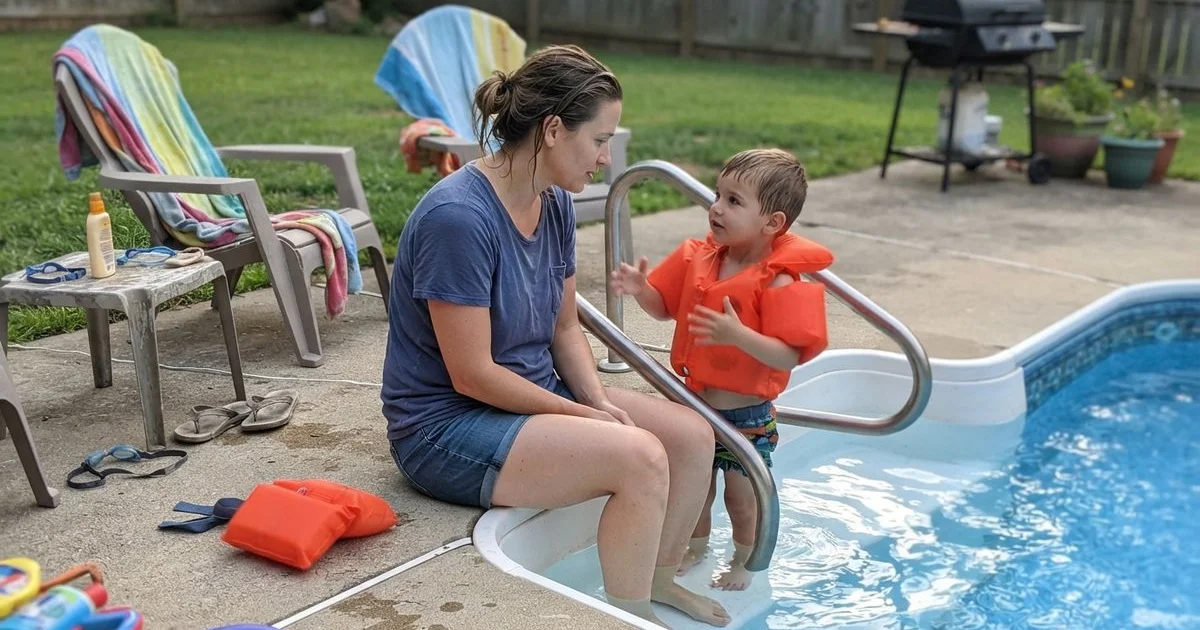
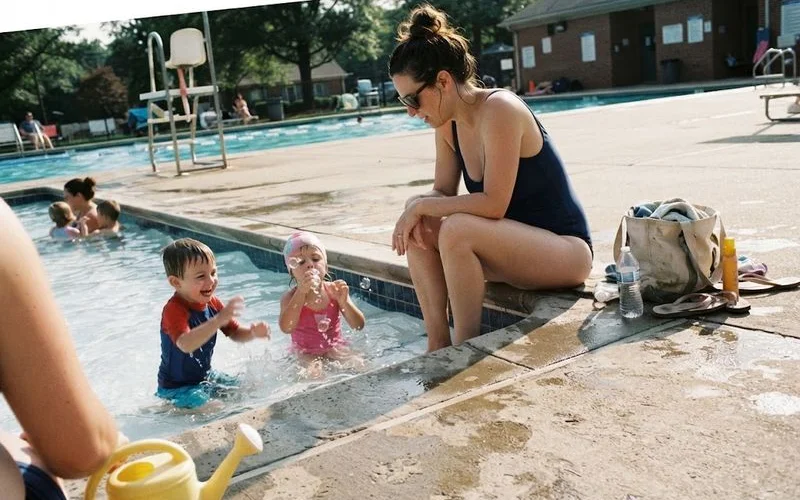
Active, dedicated supervision. “Someone’s watching” is different from a specific adult, phone down, actively watching the water with no other task. At gatherings with multiple adults present, informally assign a “water watcher” in rotating shifts rather than assuming general awareness covers it.
Swim skills appropriate to age. Formal swim lessons reduce risk meaningfully for kids old enough to participate, though they don’t replace supervision or a barrier for younger children who haven’t developed those skills yet.
Alarms and secondary alerts. Door alarms, pool alarms, or wearable alarms add another layer, particularly useful for catching the moments when a child slips past supervision unnoticed.
| Layer | What it catches | Limitation |
|---|---|---|
| Compliant barrier | Unsupervised wandering access | Fails if gate is propped or broken |
| Active supervision | Real-time incidents during pool use | Fails if attention lapses or is assumed |
| Swim skills | Self-rescue ability for capable swimmers | Not a substitute for supervision at any age |
| Alarms | Backup alert if other layers fail | Reactive, not preventive |
Small maintenance details that quietly lapse
A lot of pool safety failures aren’t dramatic, they’re small maintenance gaps: a gate propped open during a party, an alarm battery that died months ago, pool toys left floating that draw a curious toddler toward the edge. Building a habit of a quick monthly check, latch, alarm battery, gate hinges, catches these before they matter. Water quality is a related but separate risk: the pool and hot tub chemical safety guide covers the storage and dosing mistakes worth avoiding when kids are in the water.
Teaching kids what to do, not just keeping them out
Layered prevention on the adult side matters most, but age-appropriate water safety education adds something the physical layers can’t: helping a child understand why the rules exist rather than just following them. Simple habits, always ask before going near the water, never swim alone, know what to do if a friend is struggling, build judgment that carries over to pools you don’t control, at a friend’s house, on vacation, or anywhere a barrier and your own supervision aren’t in place. This isn’t a substitute for supervision at any age, it’s a complement to it. Learning basic CPR is worth considering for any adult who regularly supervises kids around water, since the few minutes before help arrives are the ones that matter most in a real emergency, and a local class is a modest time investment against a rare but serious risk.
If you’re hosting or visiting a home with a pool
The same layered thinking applies when kids are visiting a pool that isn’t your own, at a family gathering or a rental. Ask hosts directly about the barrier and gate situation if young children will be present, and don’t assume a pool you don’t know is set up the way your own is. It’s a reasonable question to ask, not an awkward one.
For more on Florida’s legal barrier requirements, and on liability if an injury does occur, see those guides directly, or start from our home page for the full set. See our methodology for how we evaluate and rank the contractors and services listed in this directory.
None of these layers require major expense, mostly consistency, which is exactly why they’re worth building into a routine rather than treating as a one-time setup.
FAQ
- Is a fence enough to keep young kids safe around a pool?
- A compliant fence is an important layer, but drowning prevention experts consistently recommend layering multiple protections, barrier, supervision, swim skills, and alarms, rather than relying on any single measure.
- At what age can a child safely be left unsupervised near a pool?
- There isn't a safe age for unsupervised access for young children. Active, uninterrupted supervision (not just presence nearby) is recommended for young children whenever they're in or near the water, regardless of swim ability.
- Do swim lessons eliminate drowning risk for young kids?
- No. Swim lessons meaningfully reduce risk and are worth pursuing, but they're one layer among several, not a substitute for supervision and a compliant barrier.
- What should I check regularly on our own pool's safety setup?
- Test the gate latch, confirm alarms are working if you have them, and make sure pool toys aren't left floating in a way that could tempt a child to reach in unsupervised. These are the small maintenance details that quietly lapse over time.