What to expect when building a new pool in Naples, step by step
By Nadia Nathan · Updated 2026-06-19
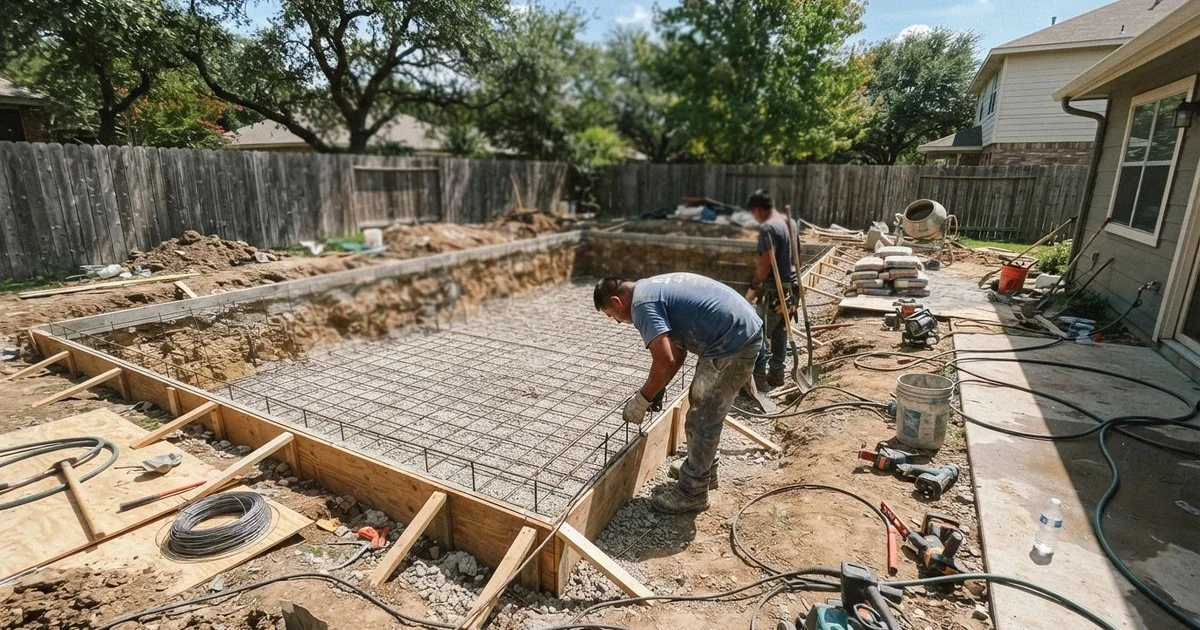
Once you’ve picked a builder, the actual construction of a pool follows a fairly predictable sequence, even though the calendar time it takes varies a lot by material and season. Knowing the stages ahead of time makes it much easier to tell if your project is on track or falling behind.
Design and permitting come first
Before anyone breaks ground, your builder finalizes the design (shape, depth, equipment placement, any spa or water feature) and submits it for permit review. In Naples this stage typically takes several weeks, longer if your lot has setback, easement, or drainage questions the county needs to resolve. This is also when you’ll want to confirm the pool safety barrier plan, since Florida law requires a compliant barrier before the pool can be used, and it’s far easier to build that into the plan now than retrofit it later.
Excavation and the shell
Once permits clear, excavation usually happens within a week or two, weather allowing. What comes next depends on material:
- Gunite pools get a steel rebar framework built inside the hole, then a sprayed concrete shell. The shell needs time to cure before finishing work starts, which is the main reason gunite builds take longer overall.
- Fiberglass pools arrive as a single pre-formed shell that’s craned into the excavated hole in a day, then backfilled and leveled.
- Vinyl liner pools use a wall panel system installed in the hole, with the liner fitted afterward.
| Stage | Gunite | Fiberglass | Vinyl liner |
|---|---|---|---|
| Shell install | Days to weeks (spray + cure) | Roughly a day | A few days |
| Flexibility of shape | High | Limited to manufacturer molds | Moderate |
| Typical build speed | Slowest | Fastest | Fast |
Plumbing, decking and equipment
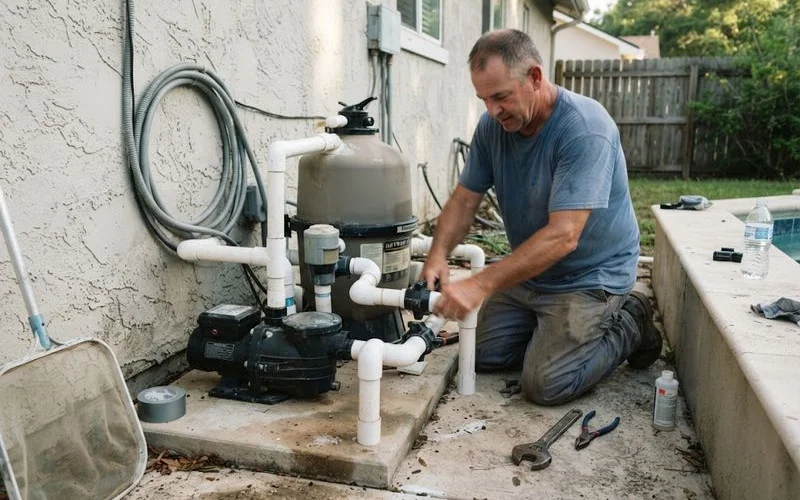
While the shell cures or sets, crews run plumbing lines for the pump, filter, and any water features, then install the equipment pad. Decking and coping go in next, this is when you’ll see the pavers, stamped concrete, or travertine you chose start to take shape around the pool’s edge. Electrical work for lighting, pumps, and any automation system typically happens in parallel with decking.
Finishing, startup and your final walkthrough
The last stage is the interior finish, plaster, pebble, or tile, followed by filling the pool and balancing the water chemistry over the following days. Your builder should walk you through the equipment, cover any warranty paperwork, and confirm the safety barrier is installed and compliant before signing off. This final walkthrough is your chance to flag anything that doesn’t match what was quoted, so don’t skip it even if you’re eager to swim.
Staying on top of progress without micromanaging
You don’t need to check the site daily, but a short weekly update from your builder, what stage the project is at, what’s next, and whether anything has shifted the timeline, keeps small issues from becoming surprises. If updates go quiet for more than a week with no explanation, that’s worth a direct call rather than waiting to see if things resolve on their own.
What typically slows a build down
Florida’s summer rainy season is the most common delay, since excavation and gunite curing don’t proceed well in heavy, repeated rain. Permit backlogs at the county level are the second most common cause, and they vary season to season depending on how many projects are in the queue. A contractor who gives you a realistic range rather than a single hard date, and explains what could push it, is generally being straight with you.
Our pool design and construction hub lists local builders if you’re still comparing who to hire for your project. See our methodology for how those listings are scored, and visit our home page for related guides on cost and materials if you’re still early in planning.
Asking a builder to walk you through their specific sequence and typical timeline for your material choice, before you sign anything, is the best way to set expectations that actually hold up once the crew arrives.
FAQ
- How long does it take to build a pool in Naples from start to finish?
- A straightforward gunite pool typically takes a few months from the day excavation starts to the day it's filled and balanced, but permitting and design can add weeks to months before construction even begins, and Florida's rainy season can push the build phase out further.
- Why does gunite construction take longer than fiberglass?
- A gunite shell is sprayed in place and needs curing time before plaster or tile can go on, while a fiberglass shell arrives pre-formed and is set into the hole in a day. The trade-off is that fiberglass sizes and shapes are limited to what the manufacturer offers.
- What's the most common delay during a Naples pool build?
- Weather and permitting are the two most common causes. Summer's daily rain can stall excavation and curing, and permit review times vary depending on how backed up the local office is that season.
- Do I need to be home during construction?
- Not for most of it. You'll want to be available for the initial layout walk-through, any design decisions during the build, and the final walkthrough before startup, but the day-to-day work doesn't require you on site.
Related on this site
- Browse pool design & construction providers
- What a new pool costs in Naples and what changes the price
- Do you need a permit to build or remodel a pool in Naples?
- DIY pool maintenance vs hiring a pro in Naples: what's realistic
- Pool remodeling and resurfacing in Naples: the process, materials and timeline
- All guides →